When you are too busy to watch a match live, the fastest way to stay updated is to check a reliable results page like www.fifadata.com/kqbd/ and move on with your day. This is not about being a hardcore fan with multiple screens, but about staying connected without disrupting your schedule.
In real life, most football followers do not have ninety minutes to spare, especially on weekdays. The good news is that you can still track match flow, key moments, and final results in seconds if you build a simple routine that fits your lifestyle.
Scenario 1: You are in the middle of work and cannot follow minute by minute
You are in a meeting heavy afternoon, and your phone is not something you can stare at openly. You know a big match is happening, but you only get short gaps between calls, maybe twenty seconds at a time.
In this situation, the goal is not to watch the match through numbers. The goal is to answer three quick questions and return to work immediately. Is the match live, what is the score right now, and did anything major just happen.
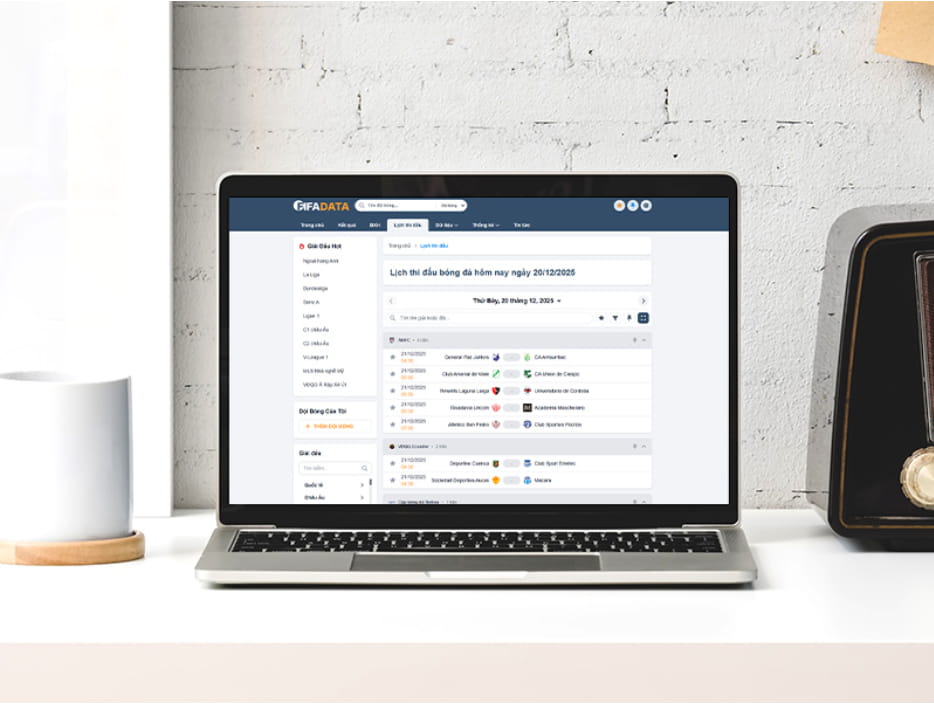
A results hub works best here because you do not need to open multiple tabs. You open the page, scan the scoreline and match status, and close it. If you repeat this every thirty to sixty minutes, you stay informed without losing focus or looking distracted.
Scenario 2: You are commuting with weak internet and limited attention
Commuting is where football tracking usually fails. Video streams buffer, notifications arrive late, and you are often in a noisy environment where you cannot concentrate.
A fast score check routine solves this. Instead of relying on a highlight clip or a social post that may be delayed, you open a results page, scan the live list, and focus on the one match you care about. The only thing you need is a stable layout that loads quickly and does not require refresh spamming.
If your connection drops, you can reopen the page later and still understand what happened by looking at the match status. You also avoid the anxiety of guessing whether a match is finished or still ongoing, which is a common confusion during late night fixtures.
Scenario 3: You are with family and want to stay present
This is a scenario many fans do not talk about, but it is real. You are having dinner, putting your child to sleep, or spending time with family, and you do not want to become the person who disappears into a screen.
A quick score check is a compromise that keeps you present. You pick one moment, perhaps after dinner or before bedtime, and you check the scoreboard once. If the match is still live, you check again later, but only briefly.
The habit that makes this work is setting boundaries. You are not tracking every minute, and you are not chasing every event. You are simply getting the essential update, so you can enjoy your evening without feeling disconnected from the match.
Scenario 4: You are following multiple matches at once without getting overwhelmed
Some nights are chaotic. Maybe your team is playing, but other matches matter for standings, fantasy points, or rivalry drama. If you try to follow everything through social posts, you end up confused because information comes in fragments.
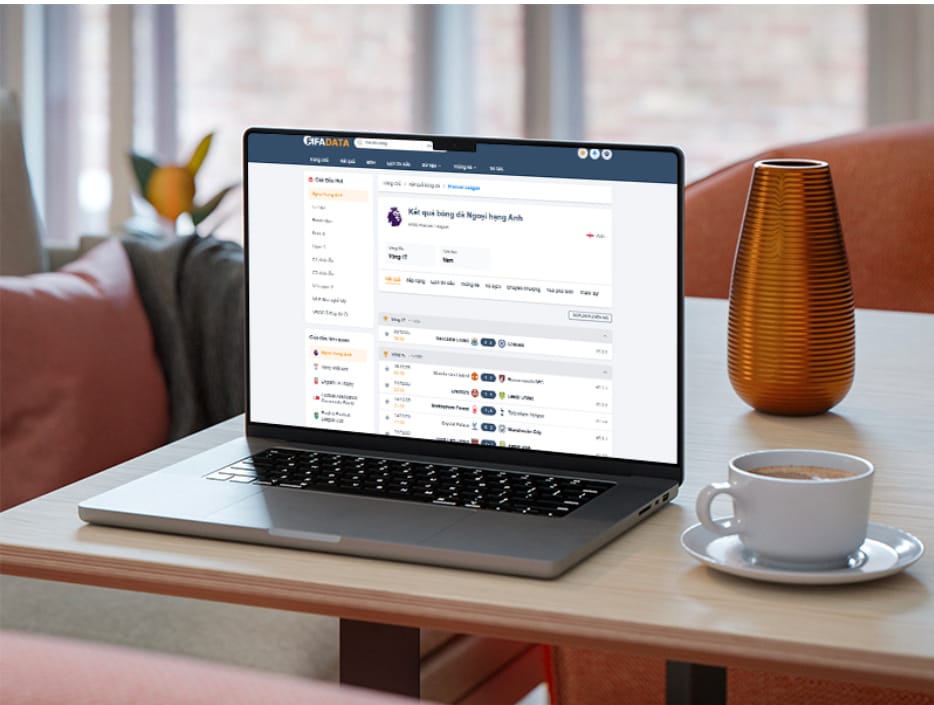
A structured scoreboard view makes this manageable. You scan the list, pick the two or three matches that matter, then ignore the rest. The key is not to chase every league, but to filter your attention.
A good routine is to check at predictable moments. You check at kickoff to confirm the match started, you check around halftime for a quick snapshot, and you check near full time to confirm the final result. This keeps you informed across several games while still spending very little time.
Scenario 5: You need to confirm a result fast because people are arguing in a group chat
Group chats create pressure. Someone posts a score, someone else says it is wrong, and suddenly the conversation turns into a debate about which website is right.
This is where seconds matter, not for drama, but for clarity. You open a reliable results page, confirm match status and score, then respond with a calm update. You also avoid escalating the argument because you are referencing a stable scoreboard view rather than a rumor, a screenshot with no context, or a delayed post.
This scenario is especially common during matches with late goals, injury time drama, or VAR checks. A quick verification routine saves time and prevents confusion.
Scenario 6: You wake up and need to catch up on overnight football in under one minute
If you follow European leagues from Asia, you often wake up to finished matches. You do not want spoilers from social media, but you still want a fast summary of what happened.
The simplest routine is to open the results list, scan the final scores, and then decide what deserves deeper attention. If you only have one minute, you do not read articles. You do not watch highlights yet. You just capture the scoreboard snapshot and move on.
This is also where a clean results page helps because you can scroll through many finished matches quickly. If you want to dig deeper later, you already know which matches were close, which had surprise results, and which were routine wins.

Why this “seconds” approach actually works
A lot of fans assume they need notifications, apps, or complicated setups. In reality, the fastest system is the one you can repeat consistently without friction.
A simple scoreboard routine works because it matches how busy people live. It respects your time, reduces distractions, and still keeps you connected to the sport. Most importantly, it gives you confidence that you are not missing major moments, even when your day is packed.
When a quick score check is not enough
There are times when the score alone does not tell the story. A match can be one nil but completely one sided, or it can be level while one team is dominating.
In those situations, you can still keep the seconds mindset. You do not need to consume everything. You just add one more piece of context, such as a brief event timeline, match status, or key incidents. The goal is still speed, not deep analysis, unless you choose to do that later.
Final thought
If you are too busy to watch, you do not have to disconnect from football. You can check scores in seconds, stay informed, and still keep your day running smoothly. The best routine is the one that is quick enough to use anywhere, but reliable enough that you trust what you see.
What is your go to situation for quick score checks, work breaks, commuting, family time, or morning catch up, and what makes that routine stick for you?
Related Articles